
Top 10 SEO tips >

1. Clear and Compelling Headline
Ensure that your page has a clear and attention-grabbing headline. Highlight the benefits, or unique selling points of your products or services.
Bounce rates on websites are often caused by unclear messages. The bounce increases on smartphones. Users quickly flick through content for the subject, product or the service they want and soon leave unclear sites.
Make headlines compelling to attract visitors’ attention, this will lead them to want more. This ‘sticky content’ (subject content that entices the visitor to stay longer) is vital to include, so visitors will find what they are looking for.
If your visitors bounce off your site fast and do not go to page 2/3/4 then try reviewing what headlines you are using. Consider how to re-write these in a more compelling manner. If possible include a professional copywriter in this process – they usually say a lot more in fewer words.
2. Engaging and Informative Content
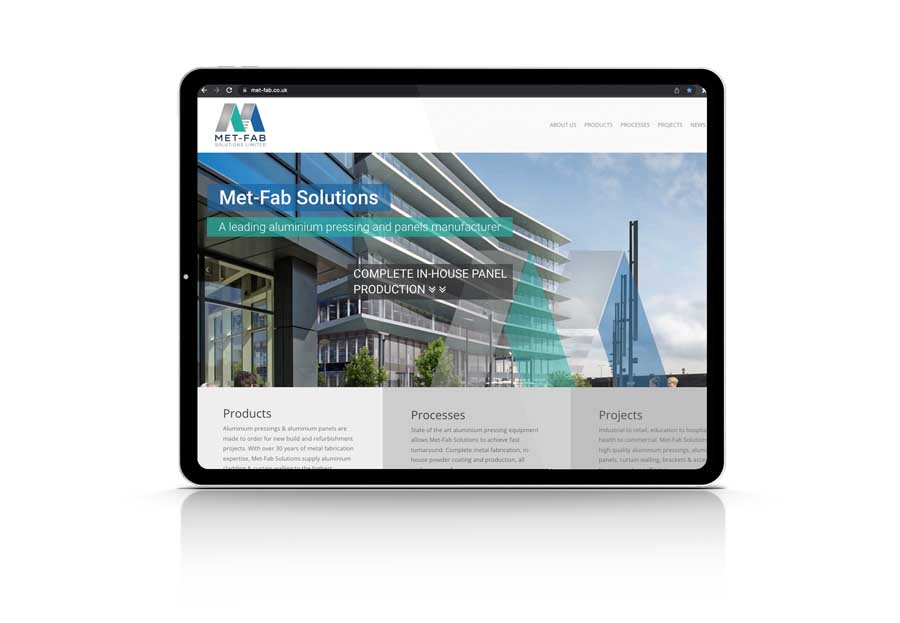
Provide detailed information about your products or services, including the benefits, features, and why potential clients should choose you. Use persuasive language and emphasise how your services can solve their problems or meet their needs. Google is looking for content that has authority of subject – this is significant as visitors will always want to know about your knowledge.

3. Call-to-Action (CTA)
Include a prominent and well-designed call-to-action button or form to encourage visitors to take the next step.

Make it clear what action you want them to take, such as “Request a Quote” or “Contact Us for a Consultation.”

4. Testimonials and Case Studies
Showcase positive reviews, testimonials, or case studies from satisfied clients to build trust and credibility. People are more likely to enquire if they see that others have had a positive experience working with you.


Testimonials – with a customer quote to testify to great service or products.
Case Studies to show what was achieved.
5. Visual Appeal
Use high-quality and relevant images or videos to make your page visually appealing. Show examples of your previous work or include visuals that highlight the benefits of your service or product.


In this example a campervan is used, whilst this is not the product on offer, it identifies with the buyer and the seller – campervan carpet is the product on offer, so a buyer will be induced by the campervan lifestyle image used.
An arable scene on the home page gives context to the subject. The coloured blocks indicate the technical nature of the subject.
6. Mobile-Friendly Design
Ensure that your webpage is mobile-friendly and responsive. With the increasing use of mobile devices, it’s crucial to provide a seamless browsing experience across different screen sizes.
Mobile traffic is almost half of all website visits. In the first quarter of 2023, mobile devices (without considering tablets) generated 58.33 percent of global website traffic.
Here’s a few things to consider when making your website smartphone accessible;
- A Burger menu three bar helps viewers see content
- Keeping Calls-to-Action visible
- Maintain the positioning of your compelling message
- Consider how the graphics look, so they remain visually appealing on mobile
This all helps users engage and enquire or shop, depending on your service or products.

7. Search Engine Optimisation (SEO)
Optimise your page for relevant keywords related to your products and services. Conduct keyword research and incorporate these keywords naturally into your page’s content, headings, meta tags, and URLs.
Consider:
- Researching the competition to see what phrases they may be using you can adopt
- Identify searches that may have lower traffic but are more relevant to your product or service
- Write about the subject you offer and know – this brings authority content into your website and adds value to your offer, as well as communicating your specialist knowledge, where relevant
- People also ask, or PAA’s are common questions users ask Google to answer a specific question, rather than typing in a specific word.
- Regularly add content and use social media platforms to backlink to your website

8. Page Loading Speed
Make sure your webpage loads quickly to prevent visitors from leaving due to slow loading times.
- Optimise images
- Minify code
- Leverage caching techniques to improve the page’s speed.
There are lots of tools to help you see how your page speed is performing. Once you identify this you and your web developers can start improving load speeds.
10. Easy Contact Options
Provide multiple ways for visitors to get in touch with you, such as a contact form, email address, phone number, or live chat. Make it convenient for potential clients to reach out and enquire about your services.


To smart forms that take a visitor on a journey where they can filter their response, helping decision making
Lastly, remember to regularly track and analyse the performance of your webpage using analytics tools. This will allow you to make data-driven decisions and continuously optimise your page for better results.
An Analytics report can guide you and your web and marketing team to do more of ‘what works’ and less where user engagement is low.






9. Social Proof and Trust Symbols
Display trust symbols, certifications, or affiliations that can help build credibility and demonstrate your expertise. Additionally, include social media icons or links to your social profiles to encourage visitors to connect with you.